
If you’ve ever been stuck outside because your gate won’t open, you know how frustrating it can be. But don’t panic, before you call a professional, there are some simple fixes you can try yourself. One of the most common culprits? Faulty electric gate sensors. These small but vital components are responsible for detecting obstacles, ensuring the gate opens and closes smoothly and safely.
When electric gate sensors fail, they can cause a variety of issues: gates may refuse to open or close, reverse unexpectedly, or stop mid-cycle. Keeping your sensors in good condition is crucial for convenience, safety, and property security. In this guide, ABA Up and Over Doors and Gates explains how to troubleshoot sensor problems and get your gate working again.
Understanding Electric Gate Sensors
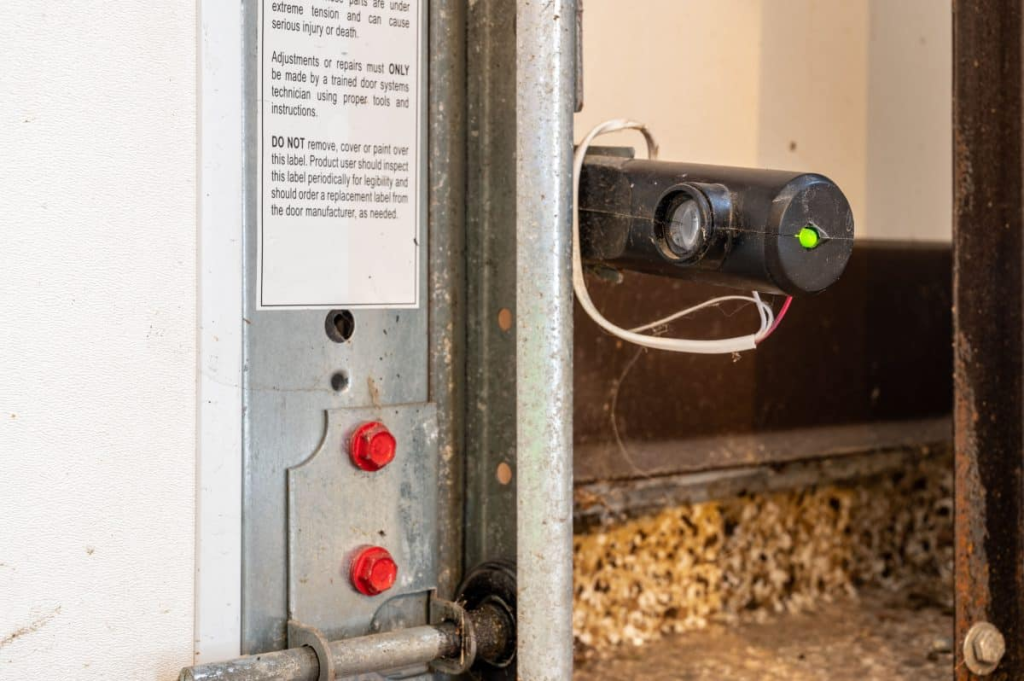
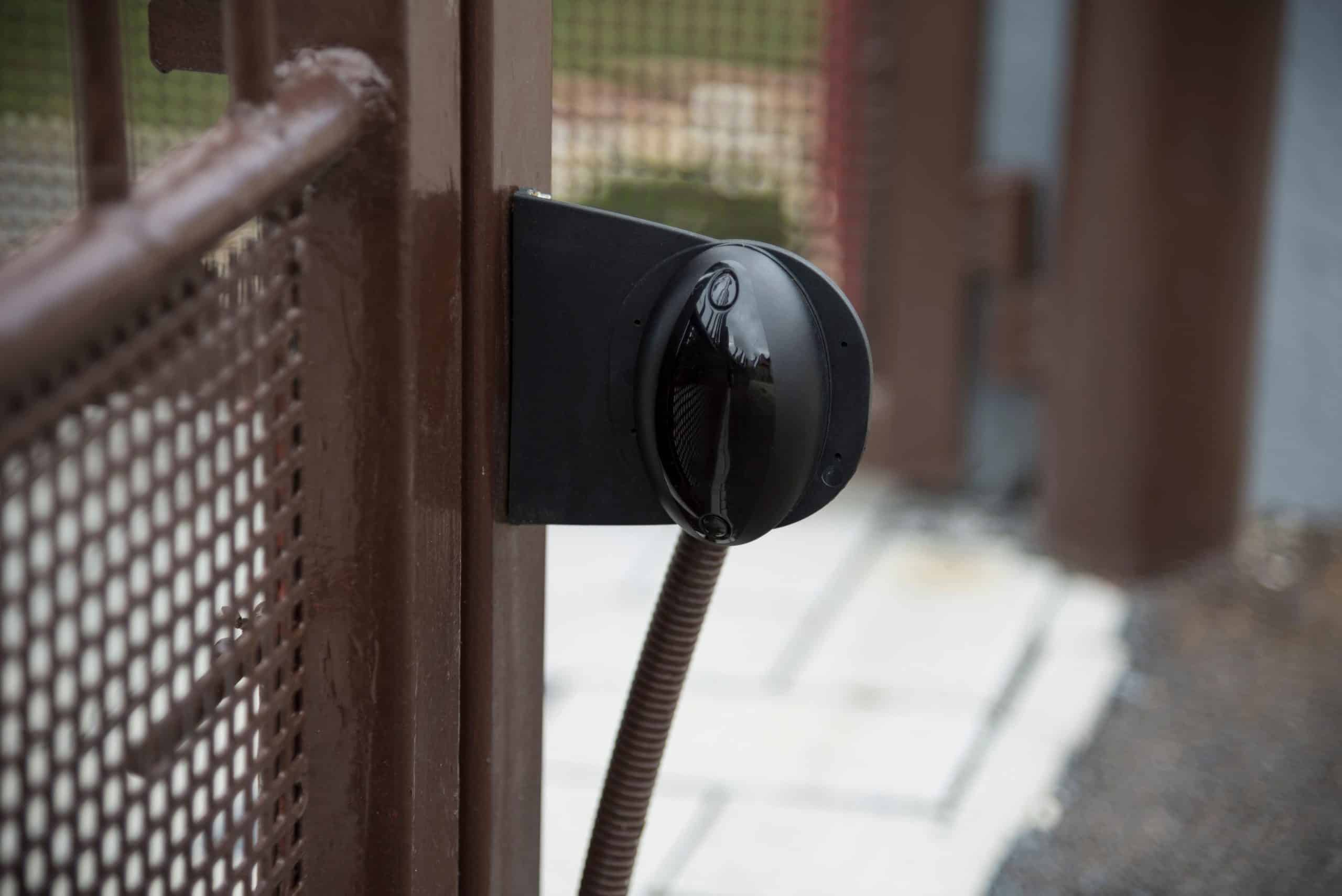
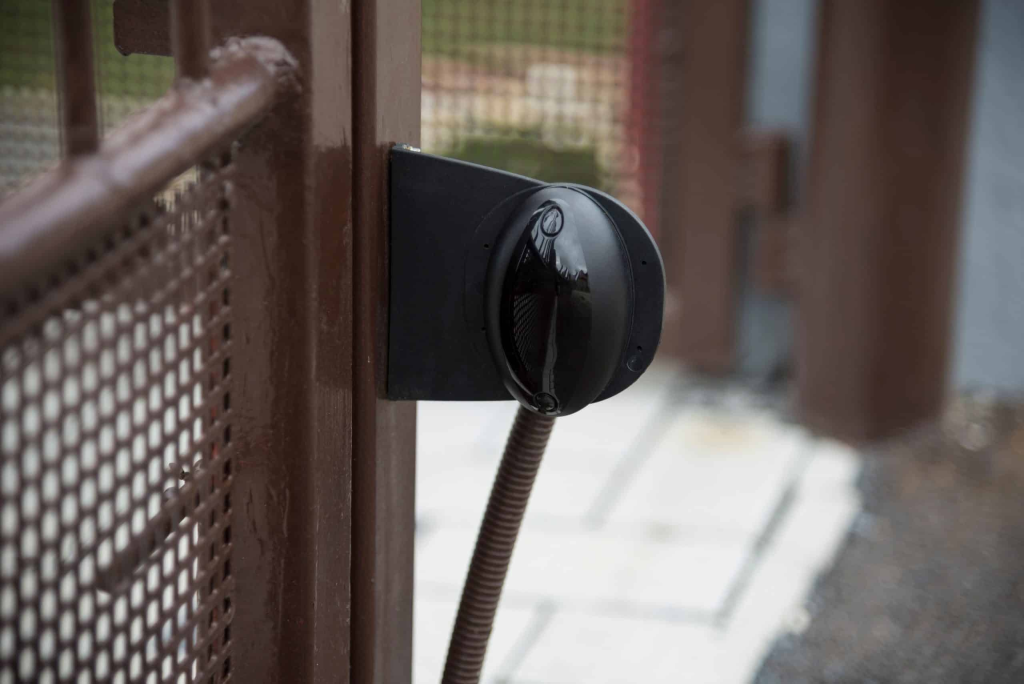
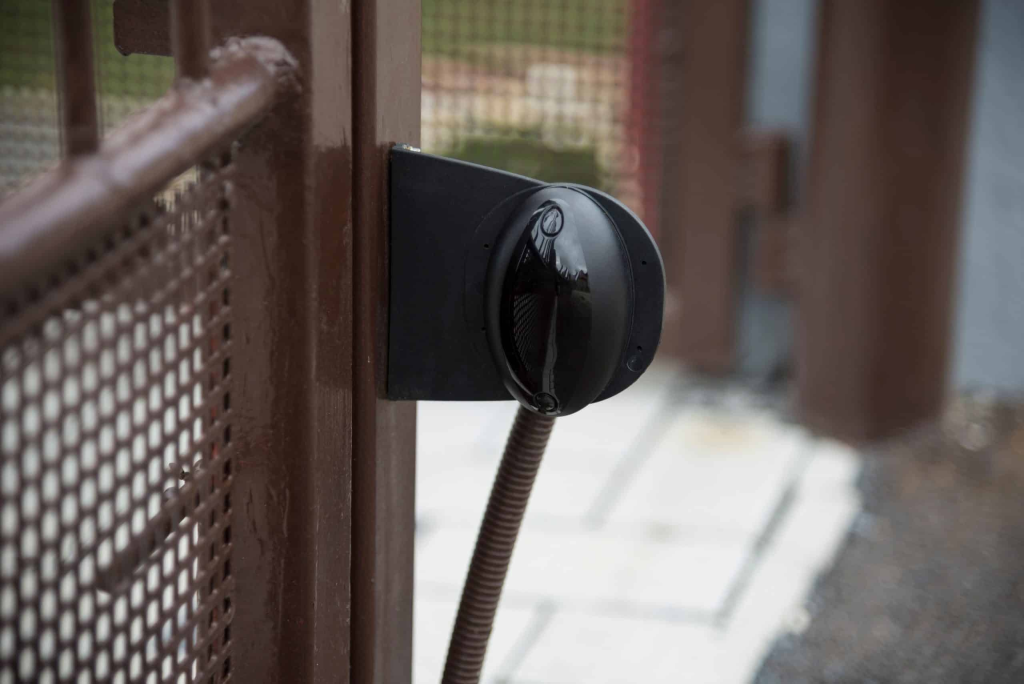
What Are Electric Gate Sensors? Electric gate sensors are safety devices that detect the presence of people, vehicles, or objects in the gate’s path. They ensure that the gate only moves when it’s safe, preventing accidents and damage.
Types of Electric Gate Sensors:
- Infrared sensors (photo eyes): Use invisible beams between two units to detect obstacles.
- Safety beams: Similar to infrared sensors, but typically mounted at a lower height to detect small objects.
- Inductive loop sensors: Embedded in the ground to detect metal objects like cars.
Why They Fail:
- Dirt or debris on the sensor lens
- Misalignment due to vibration or accidental bumps
- Corroded or loose wiring
Step-by-Step Troubleshooting Guide
A. Cleaning the Sensors
Why Cleaning Matters: Dirt, cobwebs, water spots, and even small insects can block or distort the sensor beam, causing the gate to misbehave.
How to Clean Electric Gate Sensors:
- Turn Off Power: Before starting any cleaning, shut off power to the gate to avoid accidental movement.
- Wipe the Sensor Lenses: Use a soft cloth or microfiber towel to gently remove dust and debris.
- Use Mild Soap and Water: For stubborn grime, lightly dampen the cloth with soapy water. Avoid spraying directly onto the sensors.
- Dry Thoroughly: Make sure the lenses are completely dry before restoring power.
- Check for Insects: Open the housing (if accessible) and remove any bugs or nests that might be interfering with performance.
Pro Tip: If your sensors are exposed to rain or garden sprinklers, clean them monthly or after storms to keep them performing well.
B. Aligning the Sensors
Why Alignment Is Key: Even a few millimetres of misalignment can cause the gate to malfunction. Sensors need to be perfectly lined up to communicate correctly.
Steps to Align Electric Gate Sensors:
- Visually Inspect: Check if both sensors are facing each other directly across the gate opening.
- Adjust Position: If misaligned, gently reposition them using the mounting brackets. Many models have adjustment screws.
- Use Alignment Indicators: Some sensors feature LED lights that turn solid when aligned and blink when not.
- Secure the Brackets: Once alignment is correct, tighten all screws so the sensors don’t shift again with vibration or movement.
Tools Needed:
- Flathead or screwdriver (depending on sensor model)
- Spirit level (optional, for precise positioning)
Preventative Tip: Check alignment quarterly or after any major gate movement or impact.
C. Checking and Fixing Wiring Issues
Why Wiring Issues Happen: Outdoor exposure, rodents, moisture, or wear over time can damage wires, leading to inconsistent or failed sensor signals.
How to Inspect Gate Sensor Wiring:
- Turn Off the Gate Power: Always disconnect power before inspecting electrical components.
- Check Wire Connections: Look at the sensor terminals for loose, disconnected, or frayed wires.
- Look for Corrosion: Rust or green residue at the connectors can block the electrical signal.
- Secure or Repair Minor Damage: Use electrical tape to cover small cracks or loose wires. Replace any visibly corroded connectors.
When to Call a Professional: If wiring looks complex, is embedded in the ground, or shows signs of arcing or burn marks, stop and call a qualified technician.
Need help? ABA Up and Over Doors and Gates offers professional gate repairs to safely handle more advanced issues.
Conclusion and Maintenance Tips
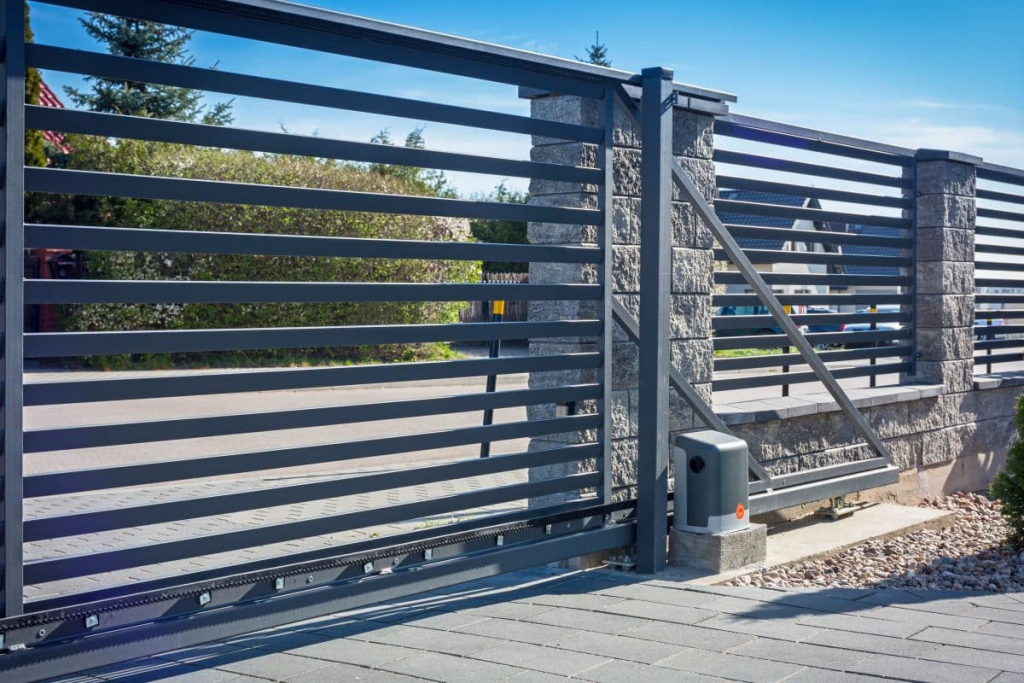
Troubleshooting electric gate sensor problems doesn’t have to be complicated. By following these three basic steps—cleaning, aligning, and checking wiring—you can fix many common issues yourself.
Preventative Maintenance Tips:
- Clean sensors every 2–3 months or after storms.
- Check alignment quarterly.
- Inspect wiring annually or if the gate behaves erratically.
If you’ve tried all these steps and your gate still won’t function properly, it’s time to contact a professional. At ABA Up and Over Doors and Gates, we provide expert diagnostics, repairs, and full electric gate solutions including driveway security upgrades and automated gate types.
Helpful Resources:
Don’t let sensor issues keep your property unprotected. With a little care and routine maintenance, your gate sensors will continue to do their job—keeping your home or premises safe and accessible. ABA Up and Over Doors and Gates are always on hand to assist and provide expert guidance on any issues or queries you may have.


